Whitetail Playbook: June is All About Fawns
Whitetail Fawn Growth and Adaptation: The First Steps of Life Whitetail fawns experience rapid growth during the late spring and

Whitetail Fawn Growth and Adaptation: The First Steps of Life Whitetail fawns experience rapid growth during the late spring and

Here’s a quick way to monitor the effects of predators on your deer herd.

Fawn survival is the future of deer hunting.

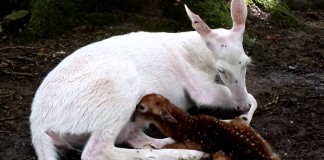
This white doe delivers two buck fawns, one white, one brown. Witness this rare event, captured on video.

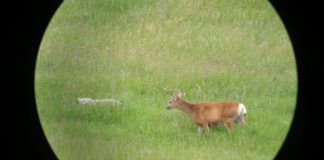
Watch this mule deer doe take on a coyote.

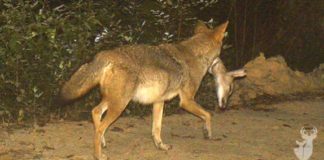
Coyotes are effective predators and search the woods and fields for prey, making newly born deer fawns especially vulnerable. Find out about the QDMA’s detailed approach to coyote control.

A mild winter typically means more doe fawns breeding during the so-called second rut. And when fawns breed, it’s a positive sign for the herd.

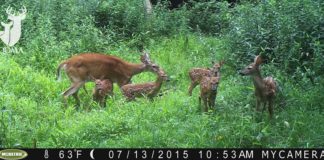
Whitetail twins are common, but six fawns? Is that possible for one doe? This picture may suggest so.

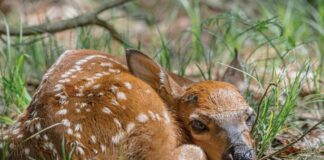
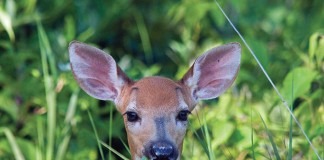
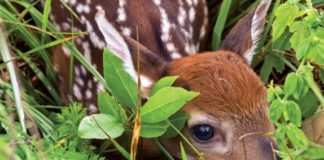
Very few things in nature are as beautiful as a newborn fawn in a lush, green field. Here’s a look at the magic and myths of whitetail fawns.

Ticks are a predator of whitetail deer and a source of disease to humans. See this video to find out how you can protect yourself against tick infections.